
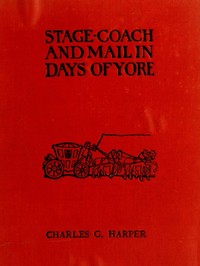
Stage-coach and Mail in Days of Yore, Volume 1 (of 2) by Charles G. Harper
Forget everything you know about modern travel. Charles G. Harper’s Stage-coach and Mail in Days of Yore throws open the doors to the thrilling, dangerous, and downright messy world of 18th and early 19th century British transport. This isn't a simple chronology of coach design. Instead, Harper acts as our guide on a bumpy ride through history, focusing on the people and stories that made the system work (and often fail).
The Story
The book doesn't have a single plot, but it has a clear mission: to show us how Britain moved before the railroad. Harper starts by painting a vivid picture of the terrible roads—quagmires in winter, dust bowls in summer. Then come the coaches themselves, from luxurious mail coaches carrying urgent letters to rickety public stages packed with passengers. We meet a cast of characters: the skilled but often drunk coachmen, the armed guards protecting the mail, the highwaymen lying in wait, and the ordinary travelers enduring bone-rattling journeys. The narrative follows the evolution of the system, highlighting key moments like the introduction of faster mail coaches and the fierce competition between rival companies. It’s a story of human ingenuity constantly battling against geography, weather, and crime.
Why You Should Read It
I loved this book because it makes history feel immediate. Harper has a fantastic eye for the quirky detail. You’ll learn about the secret slang of coachmen, the outrageous cost of travel, and why sitting on top of the coach was often preferable to being inside. He doesn't romanticize the era; he shows the grit, the discomfort, and the real danger. His enthusiasm is contagious. When he describes a famous highwayman’s ambush or a record-breaking coach run, you feel the excitement and tension. It connects our modern impatience with a time when simply arriving safely was a cause for celebration. It gave me a deep appreciation for the infrastructure I take for granted.
Final Verdict
Perfect for anyone who enjoys narrative history or social history with a pulse. If you like Bill Bryson’s way of unpacking the past, you’ll appreciate Harper’s style. It’s a great pick for travelers, history buffs who want to go beyond kings and battles, and anyone who enjoys a good, true adventure story. Be warned: after reading, your daily commute will feel incredibly tame.
This is a copyright-free edition. Knowledge should be free and accessible.








Sandra Rodriguez
1 year agoI had low expectations initially, however it creates a vivid world that you simply do not want to leave. Definitely a 5-star read.